Featured Case Study · Multi-Format Performance Creative

Mattel Match

Exploring how gameplay satisfaction, brand affinity and different production formats could create distinct testing opportunities for a new match title.

My ContributionCreative Analysis · Concept Development · Unity Prototyping · Motion Design · Editing · AI-Assisted Production · Template Development
CollaboratorsUken Growth Team
DeliverablesUA Video · Gameplay · ASO · AI & AI-UGC · Static · Templates

The challenge

Mattel Match brought multiple recognizable brands into one match-3D experience. Within a limited testing window, the team needed to explore which creative promises, visual systems and audience entry points could give the title the strongest opportunities for growth.

Each direction needed a clear reason to exist: amplify gameplay satisfaction, connect with a specific brand audience, test a more immediate gameplay hook or explore a new production format.

01

Making the payoff more powerful

Amplifying visual satisfaction.

Two related hypotheses explored whether the core gameplay could become more readable and rewarding by exaggerating the payoff or simplifying the board’s visual organization.

Hacked Rocket Powerup

Could an exaggerated powerup that cleared the entire board create a stronger and more immediate payoff?

Hacked Rocket Powerup

I modified the Unity scripts so the powerup no longer fired only three rockets. The new version generated enough rockets to clear every item, while a shorter firing interval kept the sequence fast. The gameplay was recorded in Unity, then composited and edited in After Effects.

Color-Matched Boards

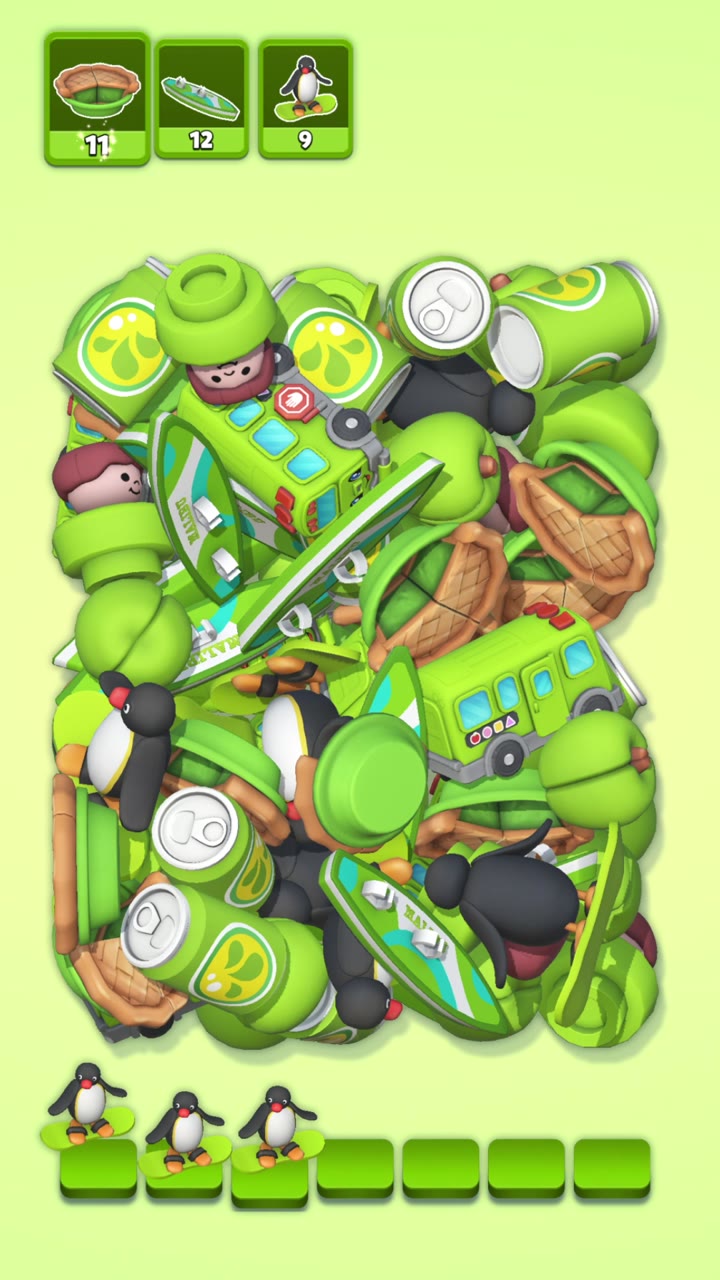
Could one coordinated color family make a busy match board feel more organized, readable and satisfying?

Color-Matched Boards

Grouping the toys into a unified palette created a cleaner visual pattern and a more deliberate reveal when items were collected. Brand-themed creative and color-led satisfying gameplay showed positive signals.

02

Leading with brand affinity

Different brands, different ways in.

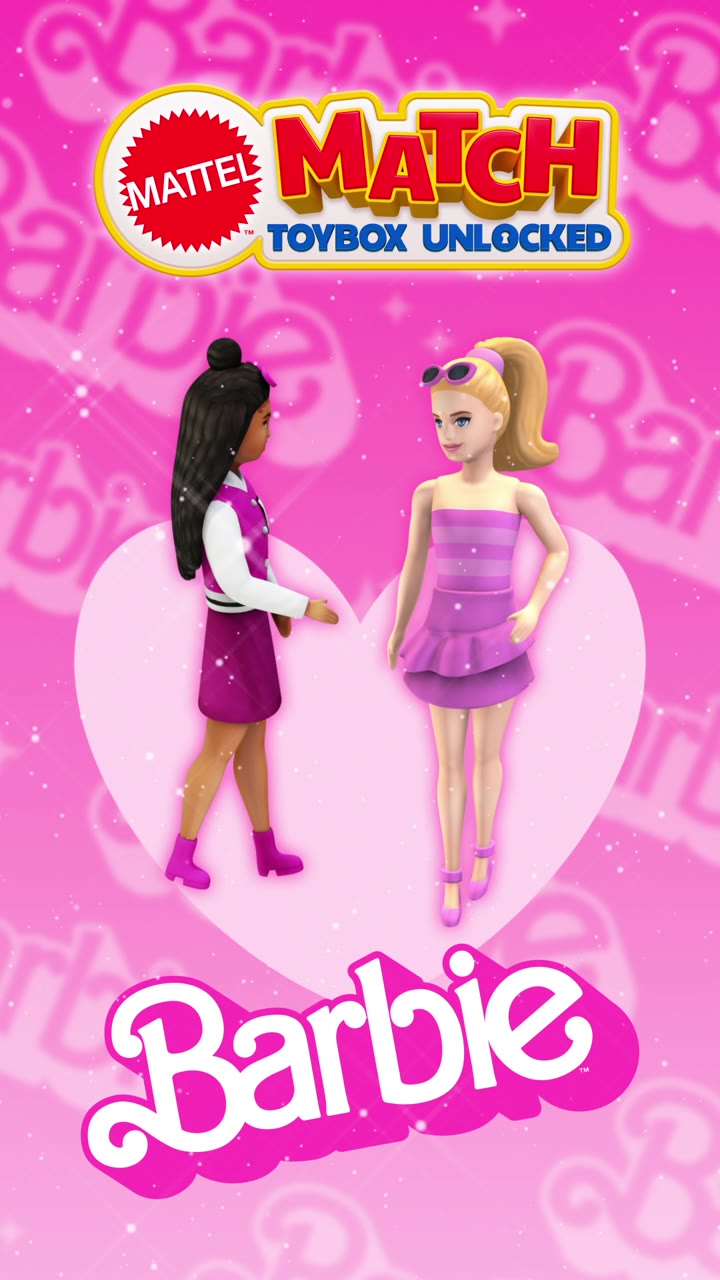
Could individual Mattel brands serve as distinct audience entry points into the same core game? The team explored Barbie, Hot Wheels, Masters of the Universe, Pingu and Monster High—each with a different tone, visual world and potential audience.

BarbieHot WheelsMasters of the UniversePinguMonster High
Mechanic Garage · Concept initiated by Alex

Mechanic Garage

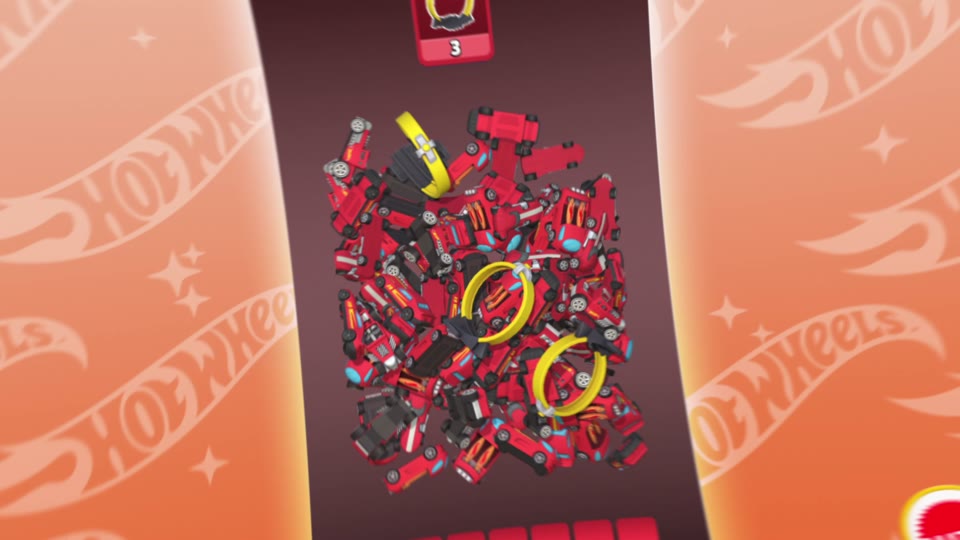
The Mechanic Garage direction was one idea I initiated directly, using the Hot Wheels setting to frame gameplay through a tactile, hands-on garage experience.

Brand-Specific ASO

We extended this thinking into store listings. Barbie- and Hot Wheels-led listings aligned the preview video, screenshots and store environment around the same franchise. These listings were launched for testing.

Barbie · Brand-specific ASO
Hot Wheels · Brand-specific ASO

03

Expanding the gameplay promise

Authentic gameplay and conceptual mechanics.

Competitor analysis showed that adjacent puzzle mechanics could sometimes communicate more immediately than core match-3D footage. We therefore explored authentic Unity gameplay and concept-driven fake gameplay as separate testing territories.

Scrolling Characters / Matching Shelf

Could a simpler, immediately recognizable interaction create a stronger opening promise?

After Effects Fake Gameplay

The scrolling-character and shelf-matching mechanics did not exist in the core game. Both were designed and animated entirely in After Effects, drawing on fake-gameplay approaches visible in the competitive market.

Unity-Based Gameplay

The rocket and color-board directions began inside Unity, were recorded in-engine, then taken into After Effects for compositing, motion design and editing.

04

Exploring multiple UA formats

Using each format for a reason.

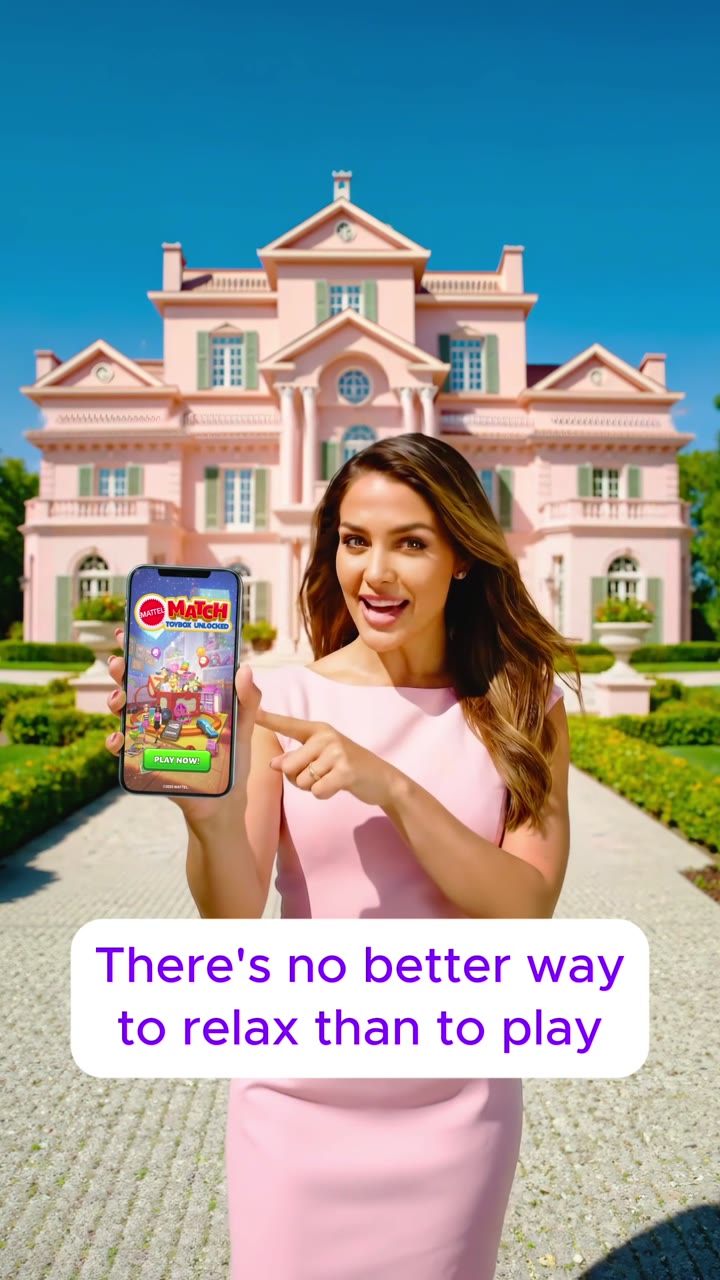
The project also explored AI-assisted video, AI-UGC, gameplay-led ads, ASO and static creative. AI broadened the concepts we could produce, but generated comparatively muted responses. One possible factor was the visibly early-generation AI quality available at the time.

In contrast, brand-themed creative and color-led satisfying gameplay showed positive signals.

AI-Assisted Brand Creative
AI-UGC Exploration
Performing Static + Subtle Motion

05

Building a production system

Configurable Gacha variations.

The Gacha template created a reliable system for producing toy-set variations. A dropdown updated the three sets displayed above the machine; the third selection also controlled the capsule reward, the final missing collection item, the collection name and the toy name.

The template was used across the team whenever the gacha direction was needed.

Gacha Template · After Effects

06

Outcome & learnings

Separating novelty from stronger testing directions.

Brand-led executions and color-focused satisfying gameplay showed positive signals. AI and AI-UGC expanded the production territory but received a more muted response during this testing period.

The work also demonstrated the value of using production methods intentionally: Unity for modified gameplay behavior, After Effects for conceptual mechanics and compositing, AI for broader visual exploration, and reusable templates for scalable variation.

My role: I contributed across the full creative cycle—from reviewing performance signals and developing test ideas to Unity prototyping, After Effects production, AI-assisted asset creation, compositing and final editing. The work was collaborative; Mechanic Garage was one concept I initiated directly.

Continue exploring

More selected work.

Back to Work